

A mobile worker is an employee who works remotely and is not tied to a physical office or location. Instead, they perform their duties in various places, often travelling from one job site to another.
In field service management, mobile workers are responsible for providing customer services at their location, whether in their homes or businesses. Examples of mobile workers are present throughout the UK economy:
- Airline pilots and cabin crew who spend the majority of the working day travelling to different rent airport destinations
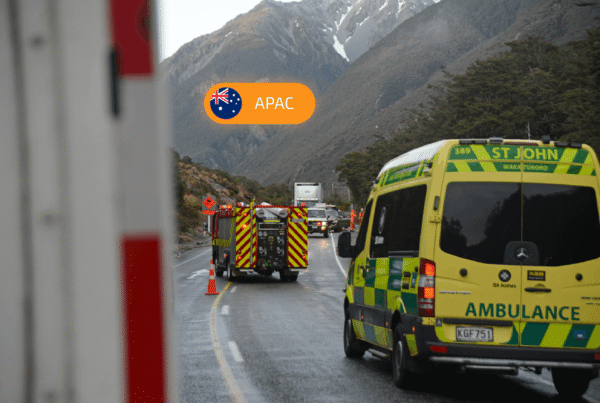
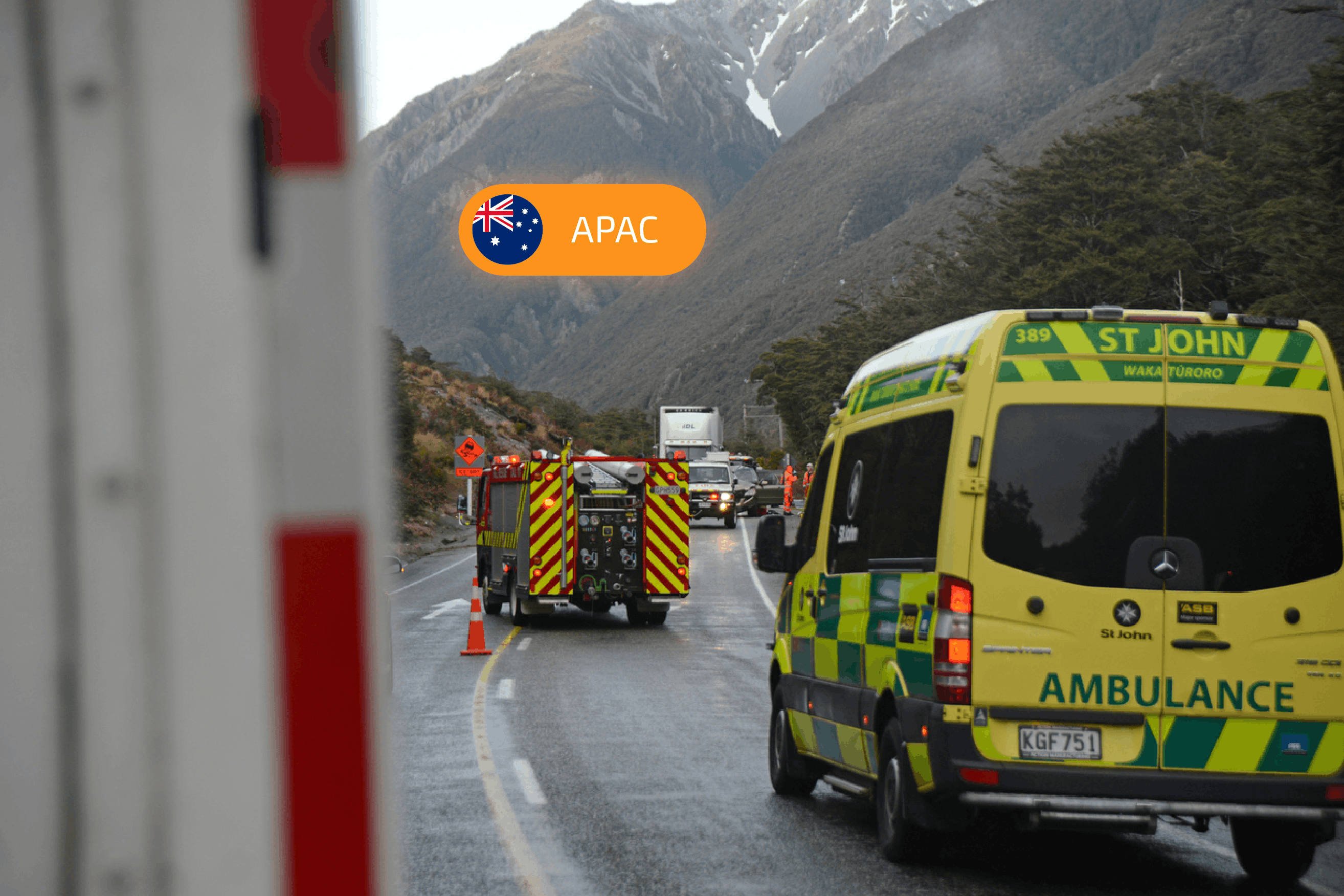
- Emergency services personnel who may or may not have a fixed base and spend most of their time travelling to patients or responding to calls
- Care workers travelling from patient to patient on the road, typically providing services in the home
Mobile teams play a crucial role in field service management as they link the business and the customer. This means organisations must support groups of mobile workers to ensure high-quality service delivery. With mobile workers, companies can cost-effectively provide timely and efficient services to their customers. Mobile technology enables mobile workers to perform their duties efficiently by allowing them to stay connected, access data, and complete tasks remotely using smartphones, tablets, and other portable devices. Effective data collection by mobile workers is also vital, as it helps organisations improve service quality and make informed, data-driven decisions.
Characteristics of a Mobile Worker
In field service management, there are several types of mobile workers, each with specific roles and responsibilities. These include:
- Field service technicians responsible for installing, repairing, and maintaining equipment and systems in the field.
- Repair experts specialise in repairing specific types of equipment, such as HVAC systems, appliances, or electronics.
- Field engineers who design and install new systems and equipment in the field.
- Service personnel who provide a wide range of services to customers, such as cleaning, maintenance, and repair.
Employee performance in these roles is closely monitored and improved through real-time access to data, flexible work arrangements, and regular feedback, helping to promote productivity and job satisfaction.
Performance management plays a crucial role in tracking and enhancing the effectiveness of mobile workers by evaluating key metrics, supporting employee development, and driving continuous improvement.

What is the difference between a remote worker and a mobile worker?
In field service management, a mobile worker typically refers to an employee who is out in the field, working on job sites or visiting customers. They usually have a specific geographic area or route and use mobile devices or tools to manage their work, communicate with the office, and access job information. Remote working is part of the broader shift toward workforce mobility, reflecting how technology now enables employees to work from virtually anywhere.
On the other hand, a remote worker is typically an employee who works outside the office, often from their home or another remote location.
Flexible work arrangements, such as flexible shifts, hours, job sharing, and compressed workweeks, benefit both remote and mobile workers by allowing them to better balance work and personal life. However, the use of employees’ own devices can pose problems for management and data security, especially if there are no clear BYOD policies in place. To address these challenges, secure remote access is essential for both mobile and remote workers to safely connect to company systems and data from any location.
What Tools Do Mobile Workers Need?
Mobile workers rely on various tools and technologies to perform their jobs efficiently. These include mobile devices such as smartphones and tablets, which allow them to access customer information, service manuals, and other critical information on the go. They may also use specialised equipment, such as diagnostic equipment, power tools, and other instruments specific to their trade.
Mobile workforce management software is a key enabler of these capabilities, providing organisations with the tools to manage dispersed workers, ensure compliance, and streamline HR processes through cloud-based solutions. Mobile workers may also use software tools to manage their work schedules, track their time and expenses, and communicate with customers and other team members. Real time communication tools enable instant connectivity between mobile workers, their teams, and customers, improving efficiency and service quality.
For example, some businesses use cloud-based work order management software to manage their mobile workers and work orders, allowing them to track the progress of their jobs and assign new work orders as needed. Access to real time data is crucial for improving scheduling, routing, and providing remote support, ensuring that field teams can respond quickly to changing circumstances. Real time insights from management technology empower managers and workers to make faster, more informed decisions, boosting productivity and customer satisfaction. Additionally, customer data is collected, updated, and accessed in real time, supporting accurate record-keeping and enhancing operational efficiency across the mobile workforce.

Optimising
500 staff
with mobile workforce management.
bpha combined cloud-based work order management and mobile workforce management with incredible results.

What challenges do mobile workers face?
Work-Life Balance
While mobile workers offer many benefits to businesses, they also face several challenges in their role. One of the most significant challenges is managing their work-life balance, as mobile workers often spend long hours travelling from job site to job site. Some businesses offer flexible scheduling options or remote work opportunities to overcome this challenge, allowing mobile workers to balance their work and personal lives more effectively. These flexible work arrangements are also key to attracting and retaining top talent, especially among Millennials and Gen Z, who prioritise flexibility when choosing an employer.
Staying Connected
Another challenge that mobile workers face is staying connected with their teams and customers while on the go. Using digital tools and mobile workforce management solutions is essential to staying connected, ensuring access to information and collaboration between remote workers and the main office. Communication can be difficult in remote areas or when dealing with poor network coverage, which can cause delays in completing work orders or responding to customer requests. Real-time communication features enable instant interaction between workers and management, improving coordination, responsiveness, and customer service efficiency. Mobile workers may also feel isolated due to limited face-to-face interaction, which can impact morale and team cohesion; strategies such as virtual check-ins and fostering a sense of community are important to address this challenge.
To overcome these challenges, businesses must provide mobile workers with the resources they need to be successful, including flexible scheduling options, remote work opportunities, and access to the latest technologies and training.
Mobile Workers
In conclusion, mobile workers are essential to field service management, providing critical services to customers at their location. They are critical in field service management’s fast-paced business environment. By understanding their characteristics, benefits, tools, and challenges, businesses can better leverage mobile workers to provide high-quality services to their customers, increase efficiency and productivity, and achieve greater success in their field.