Cloud and mobile solutions are the foundation of how today’s mobile workforces operate. For organisations managing field engineers, technicians, or distributed teams, cloud-based platforms combined with mobile access enable real-time visibility, flexible scheduling, and seamless communication between the field and the back office.
As mobile working becomes the norm rather than the exception, businesses need technology that supports employees wherever work happens, without compromising security, performance, or control.
What are cloud and mobile solutions?
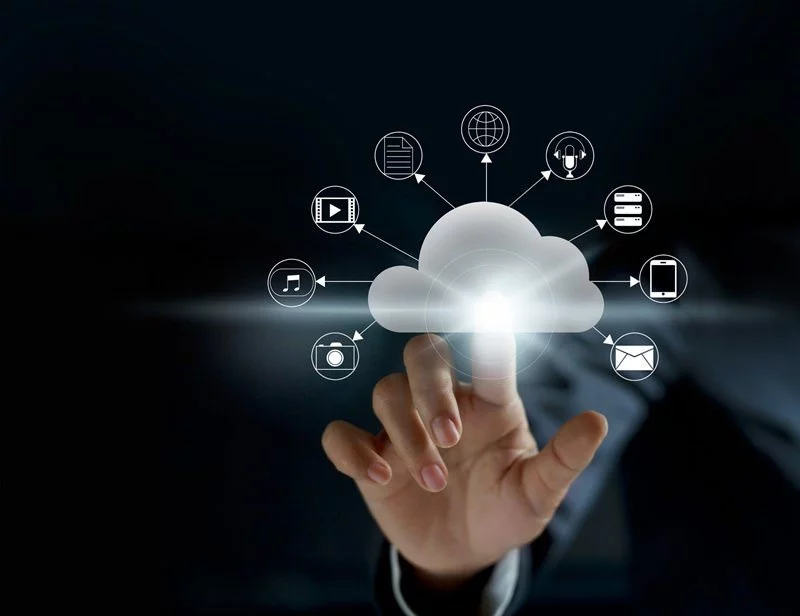
Cloud and mobile solutions refer to software and services that are hosted in the cloud and accessed through mobile devices such as smartphones and tablets. Instead of relying on locally installed systems or on-premise servers, users connect securely via the internet to access applications, data, and tools in real time.
Common examples include cloud-based scheduling tools, mobile job management apps, digital forms, and real-time reporting dashboards.
Why cloud and mobile solutions matter for mobile workforce management
For organisations managing a mobile workforce, disconnected systems and manual processes create delays, errors, and blind spots. Cloud and mobile solutions remove these barriers by keeping everyone connected to the same live information.
This is particularly important for mobile workforce management, where success depends on:
-
Real-time visibility of workforce availability and job progress
-
Instant communication between field teams and central operations
-
Accurate data captured once, at the point of work
-
The ability to respond quickly to change
By enabling information to flow continuously between mobile workers and back-office teams, cloud-based platforms support more efficient planning, faster decision-making, and better customer outcomes.
Cloud-based SaaS and mobile working
Most modern cloud and mobile solutions are delivered through a Software as a Service (SaaS) model. This means software is accessed via the internet rather than installed and maintained locally.
For businesses, this approach offers several advantages:
-
No need for on-premise servers or complex installations
-
Automatic updates and new features
-
Predictable subscription-based costs
-
Reduced reliance on internal IT resources
For mobile teams, SaaS enables consistent access to the latest tools and functionality across devices, helping ensure everyone is working with the same up-to-date information.

Security and reliability in cloud and mobile solutions
Security is a critical consideration when enabling mobile access to business systems. Leading cloud platforms are built with enterprise-grade security and follow internationally recognised standards such as ISO 27001.
Typical security measures include:
-
Encryption of data both in transit and at rest
-
Secure authentication and access controls
-
Continuous monitoring and threat detection
-
Regular audits and compliance checks
When combined with mobile device controls and role-based permissions, cloud and mobile solutions provide a secure environment for managing workforce data, customer information, and operational insights.
The benefits of cloud and mobile solutions
Totalmobile’s cloud-based solutions are designed specifically to support organisations with mobile and field-based teams. Our SaaS approach delivers practical, operational benefits, including:
Accessibility and Real-Time Data
Cloud-hosted data means planners, supervisors, and field staff see the same up-to-date job, asset, and customer information at the same time. A housing repairs coordinator in the office sees exactly what the operative sees on their mobile device: job details, tenant history, access requirements, and previous work orders.
This visibility eliminates phone calls, reduces errors, and speeds up decision-making. When circumstances change, such as a job runs late, a tenant cancels, an emergency comes in, everyone knows immediately.
Scalability and Flexibility
Modern businesses face fluctuating demand. Seasonal peaks, new contracts, contractor onboarding, all require the ability to scale rapidly. Cloud based systems allow organisations to add new users, devices, and service lines without heavy infrastructure investment.
A facilities management company winning a new contract can onboard 50 additional engineers in days rather than months. A home-care provider expanding into a new locality doesn’t need new servers, just new user accounts.
Improved Customer Service
Real-time updates translate directly into better customer experience. Tenants receive accurate appointment windows and live ETA notifications. Patients in homecare settings know when their carer will arrive. Utility customers get faster resolution of faults.
This transparency builds trust and reduces complaint volumes. First-time fix rates improve because field workers have full access to asset history, customer notes, and the right parts information before they arrive.
Cost Efficiency and Reduced Admin
The move from paper to digital eliminates entire categories of cost. No more printing job sheets. No more manual data entry. No more delays while paperwork makes its way back to the office.
Field staff complete digital forms, capture photos, and close jobs instantly, data flows straight to cloud systems for invoicing, compliance reporting, and analytics. Back-office teams focus on exceptions rather than routine processing.
Support for Hybrid and Remote Work
Operations teams, schedulers, and managers no longer need to be co-located. Cloud and mobile platforms enable remote working for office-based staff while keeping them fully connected to field operations.
A scheduling team can work from home while dynamically allocating jobs to a dispersed mobile workforce. Communications flow seamlessly through integrated tools rather than fragmented phone calls and emails.
Enablement of Advanced Capabilities
Cloud and mobile foundations unlock future technologies. AI-driven scheduling that optimises routes across thousands of jobs. Predictive maintenance triggered by IoT sensors on assets. Advanced analytics that identify patterns and opportunities.
None of this is possible with paper and legacy systems. Cloud computing provides the scalability for machine learning workloads, while mobile devices provide the data capture and delivery channel.
Supporting the future of mobile work
Cloud and mobile solutions also enable organisations to take advantage of emerging technologies such as automation, real-time analytics, and AI-driven insights. By connecting people, systems, and data in one platform, businesses gain the flexibility to adapt to changing operational needs and rising customer expectations.
For mobile teams, this means less time spent on administration and more time focused on delivering high-quality work in the field.
Cloud and mobile solutions as part of a connected workforce
Cloud and mobile solutions are not just a technology choice, they are a key enabler of smarter, more connected mobile workforce management. By providing secure, real-time access to critical systems and data, they help organisations improve efficiency, visibility, and service delivery across their entire workforce.