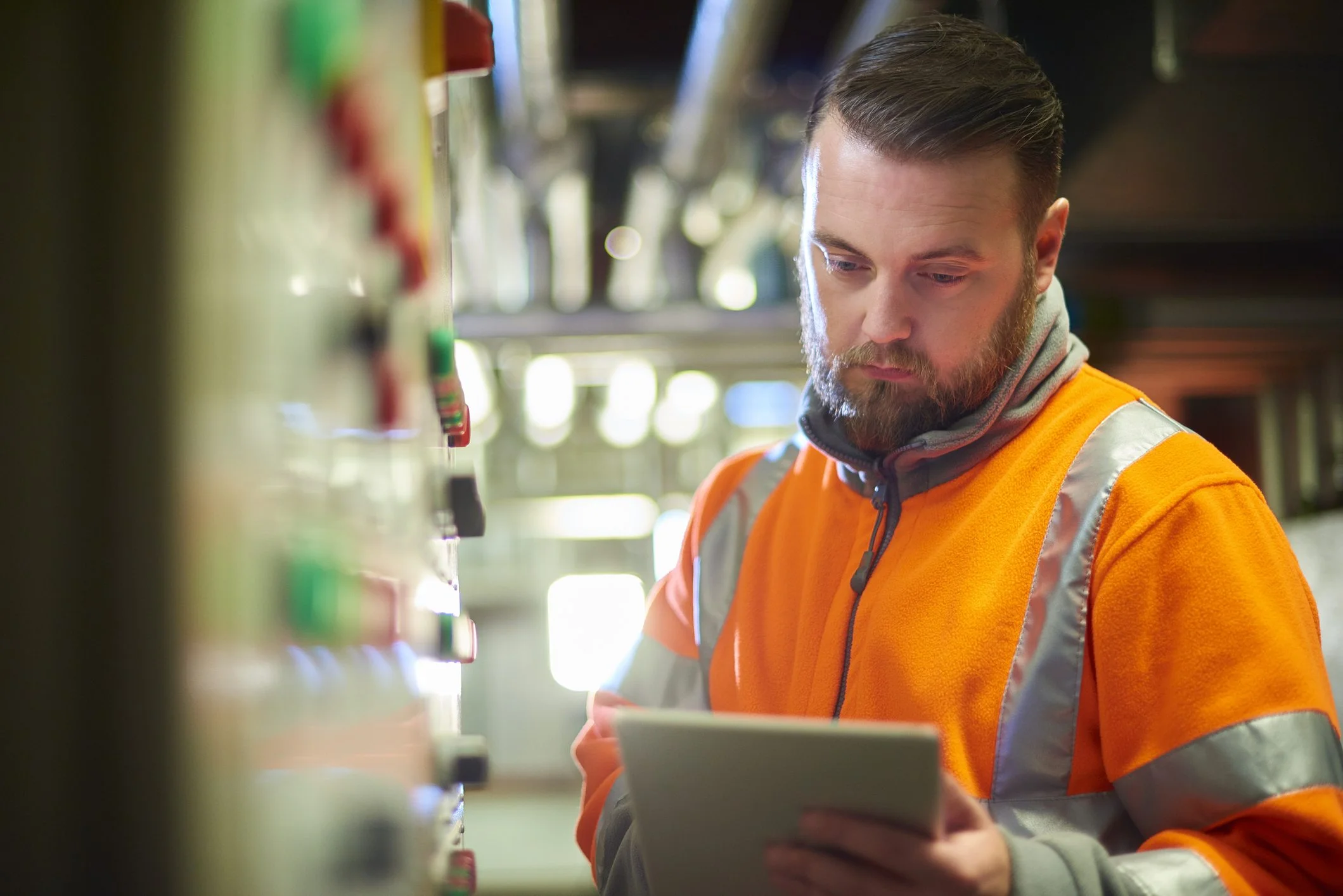
Mobile working has become a defining feature of the modern workforce. Advances in mobile technology, cloud applications, and communication tools mean employees are no longer restricted to a fixed office location. Field workers, mobile employees, and remote teams now rely on smartphones, tablets, and laptops to perform their roles wherever work needs to be done.
As organisations adapt to changing expectations around flexibility, productivity, and customer service, mobile working is no longer a “nice to have”. It is a necessity for businesses that want to remain competitive, responsive, and resilient.
Why is a mobile workforce a necessity today?
Mobile working ensures your workforce can communicate effectively throughout the day both with colleagues and customers. With access to a range of communication methods, including collaboration tools, collaboration platforms, and solutions like Microsoft Teams, mobile working provides an enhanced customer service experience and supports remote teams. Employees can keep customers informed if issues arise, such as delays, while maintaining continuous contact with office-based staff. This immediate responsiveness improves overall customer experience.
Access to mobile applications and remote working tools gives staff 24/7 access to information they would have in the office. Without these tools, employees may struggle to carry out their responsibilities efficiently. Implementing mobile working empowers employees to be more productive rather than restricted, reducing commute times, improving access to data, and providing flexibility.
Additionally, staff benefit from reduced travel time and costs. Mobile working enables employees to plan appointments efficiently using smart routing functions. Organisations can also reduce estate costs with hot desk policies and fewer physical desks.
With mobile access to information, employees spend less time on admin work, freeing up capacity to focus on their core tasks. This not only improves productivity but also enhances customer satisfaction by ensuring timely and accurate service delivery.
Adapting a flexible working approach
With access to emails, mobile phones and instant chat applications outside of the office, staff may feel they are constantly under obligation to answer to customer queries or emails from colleagues past their normal working hours. However, with the flexibility of mobile working, organisations nowadays encourage employees to fit their workload around their own schedule. This flexibility helps attract and retain top talent and supports hiring talent from a global pool, giving businesses access to a wider range of skills and expertise.

While pressures exist, it’s important to recognise the key benefits and benefits of mobile work, such as improved employee performance, greater organisational agility, and cost savings, especially for small businesses looking to stay competitive.
Additionally, as more employees use their own devices for work, it becomes essential for organisations to manage devices effectively to ensure both productivity and security.

Device Management: Securing and Supporting Your Mobile Workforce
As the mobile workforce continues to expand, effective device management has become a cornerstone of successful mobile workforce management. With employees accessing company data from a variety of mobile devices and locations, businesses face new challenges in safeguarding sensitive data and maintaining operational integrity. The shift to remote work means that company information is no longer confined to a central physical location, making it essential for organisations to implement robust device management strategies.
Mobile device management (MDM) solutions empower businesses to monitor, manage, and secure all mobile devices used by remote employees, whether they’re in the field, at home, or on the move. These platforms provide centralised control, allowing IT teams to enforce security policies, manage software updates, and remotely lock or wipe devices in case of loss or theft. This level of oversight is crucial for protecting sensitive data and ensuring compliance with industry regulations, especially when employees work across different networks and internet connectivity levels.
By investing in comprehensive device management, companies can support their mobile workers with the tools they need to work efficiently and securely. MDM not only helps prevent security breaches but also streamlines support for remote employees, enabling quick troubleshooting and minimising downtime. Ultimately, effective device management is a key component of mobile workforce management, helping businesses protect their data, support their employees, and adapt to the evolving demands of remote work.
Making the move to mobile devices
Mobile working not only reduces cost, travel and admin time but increases productivity, capacity and results in effective collaboration and communication. It also supports business continuity by enabling operations to continue seamlessly during disruptions, even when employees are not in a traditional office setting or are working across different time zones.
Advanced technologies such as augmented reality, machine learning, and AI agents are transforming mobile workforce management, helping employees perform complex tasks more efficiently and improving overall operational workflows. To ensure secure remote access, organisations should implement virtual private networks and two factor authentication, while also keeping employees aware of security best practices to prevent breaches.
Field service management software and mobile workforce management software are essential tools that optimise scheduling, dispatching, and real-time tracking for mobile and field teams, directly contributing to higher customer satisfaction through faster response times and more personalised service.
Ready to discover better mobile workforce management?
See how Totalmobile’s Mobile Working capability helps your teams work smarter, complete jobs faster, and deliver exceptional service, anywhere, anytime.