
Australia’s utilities, energy and telecommunications sectors have invested heavily in digital transformation over the last few years. Yet many organisations still face a familiar operational challenge: getting the right person, with the right skills and information, to the right job at the right time.
As Account Director at Totalmobile, Brooke Cerfontyne works closely with organisations across these sectors. In this blog, she explores why technology investment does not always translate into better outcomes in the field, and what businesses need to consider if they want to close the gap between digital ambition and operational reality.
Ageing assets, growing demand, and a shrinking workforce
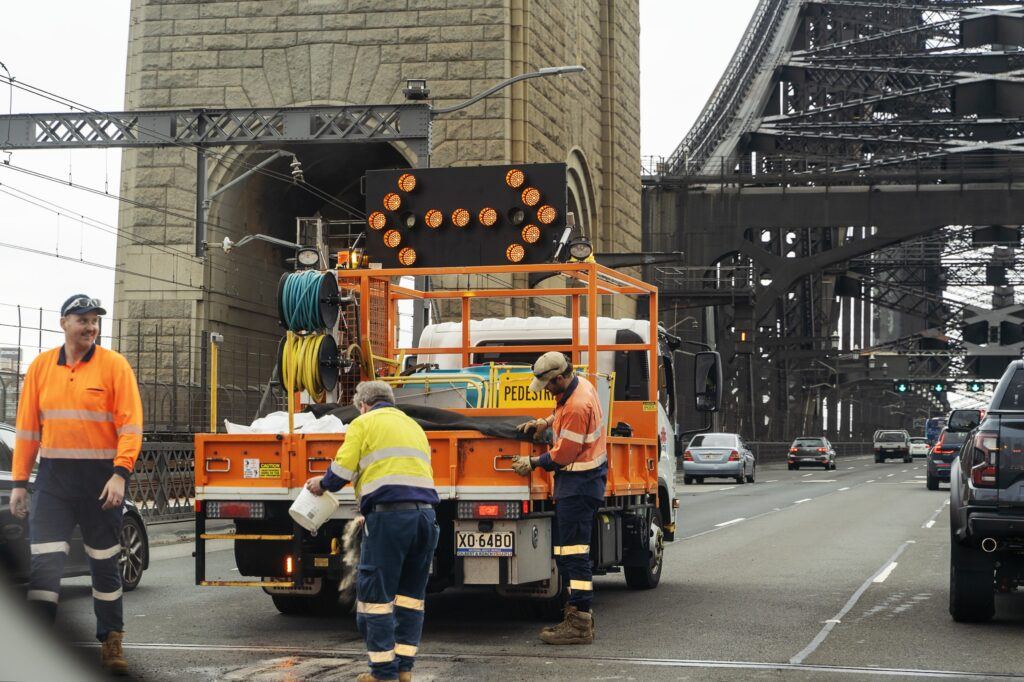
Ageing assets and a growing population are pulling in opposite directions. The infrastructure running these networks is ageing, but the expectation to deliver more and faster keeps rising. I was speaking with a utility provider recently who said it takes them, on average, 220 days to connect a newly built house to the grid. They’d love to move faster, but they don’t have the staff. And while that’s happening, the existing network needs to be upgraded. You’re being pulled in two directions at once with not enough people to do either.
That workforce piece is the other major challenge. A generation ago, there was always a pipeline of field workers coming through. Now young people aren’t drawn to blue-collar work the way they used to be, and many of these organisations can’t compete on salary because they’re publicly funded or operating on fixed budgets. So, you’ve got a highly regulated environment, an experienced workforce heading toward retirement, and not enough people coming up to replace them.
Where the pressure actually shows up
It’s the gap between what the plan says and what can actually be delivered. Field crews are stretched across more jobs, leaders are watching fuel costs eat into thin margins, and there’s what I’d call an “admin tax” – every job carries a long trail of paperwork, and when you’re doing more with less, that overhead becomes really visible. There’s pressure from above to cut costs, but the people in the middle are wondering, “Cut what, exactly?”
The organisations that will survive and thrive are the ones that learn to adapt. Flexibility and the ability to pivot aren’t nice-to-haves anymore – they’re crucial survival skills.
Why volatility is the new normal
The expectation of volatility is the new normal. Pre-COVID, things were relatively predictable, but then supply chains broke, and costs spiked. And that was before recent geopolitical instability made it worse. Organisations that are waiting for things to settle down are going to be in for a long wait and will need to get comfortable operating in discomfort.
There’s also a consumer dynamic worth flagging. Regulated sectors can’t just keep hiking prices; there are layers of oversight that intervene. But as more homeowners continue to electrify, go solar, and reduce their reliance on the grid, the cost burden shifts to whoever’s left. That’s disproportionately the renters. It’s a real equity problem that doesn’t get talked about enough.
How planning and delivery are changing on the ground
Planning cycles are getting shorter and more dynamic. The old model of “fix an annual programme and execute to the letter” doesn’t survive in this environment. Organisations have to reprioritise much more frequently based on what people and materials are actually available. Rework is also a bigger deal than it used to be — margins are too thin to absorb a callback or a return visit the way they once could.
And the line between in-house teams and contractors keeps blurring. Everyone wants control of their own staff but burst capacity will always be necessary. We’ve seen organisations fully outsource, then lose control of costs and realise the contractor has all the leverage. Then they swing back, build big internal teams, and find the overheads are unmanageable. The pendulum has to settle somewhere in the middle, and finding that balance is genuinely difficult.
Ahead on strategy, behind on operations
The picture here is mixed. On big strategic decisions and capital investment, the sector is actually ahead of many other industries, especially telcos – these organisations have been investing in digital systems for years, and most have a solid foundation in place.
But where they’re falling short is operations. Money goes into enterprise asset management solutions and network upgrades, and yet the day-to-day inefficiencies in scheduling, field execution and reporting haven’t moved. A better asset management system doesn’t automatically mean more efficient field operations, and many organisations have learned that the hard way after years and millions of dollars invested.
Why AI can’t fix a process that doesn’t exist
Demand spikes are where organisations struggle most. When things get busy, manual scheduling can’t flex fast enough. And that’s when everyone starts talking about AI as the fix — but you can’t automate a process that doesn’t exist. If data is still being captured on paper and teams are already stretched, you’re not ready for AI.
The other pinch point is the bridge between back office and field. That gap is either a bottleneck or a blame game — get the fix done on one side and everyone’s pointing at the other saying it’s not done.
Preparing for extreme weather
Australia has actually been dealing with freak weather events for a long time, so there’s more baseline capability here than in some other markets. The issue isn’t that organisations don’t know how to respond, it’s the appetite to properly invest in solving it. Historically, the frequency wasn’t high enough to justify building systems around it. Now it is, and organisations are starting to look at tooling and technology to handle emergency response more effectively. If there’s a genuine use case for AI in this sector, that’s probably one of the clearest ones.
What separates the organisations that keep pace
For me, the organisations that stand out comes down to three things:
- Treating field execution as a genuine strategic capability, not an afterthought, because that’s where plans either get delivered or they don’t.
- Getting the underlying data clean enough to make actual decisions, not just assumptions.
- And lastly, designing for change rather than stability — building systems and processes that can evolve continuously rather than waiting for the next big transformation project every seven years.
Organisations that spend years and significant budget on an enterprise platform and then expect to sprinkle AI on top to fix what’s still broken are going to be disappointed. You’re still hamstrung by the same underlying problems, just with a shinier label on them.